Loading...
Serving Alamo, CA and surrounding areas. (925) 318-8128
Stuck in a ditch, off a hill road, or sunk in mud after the rain? We pull your vehicle back to solid ground using controlled winch recovery - no bumper pulls, no shortcuts, and a rate confirmed before we start.
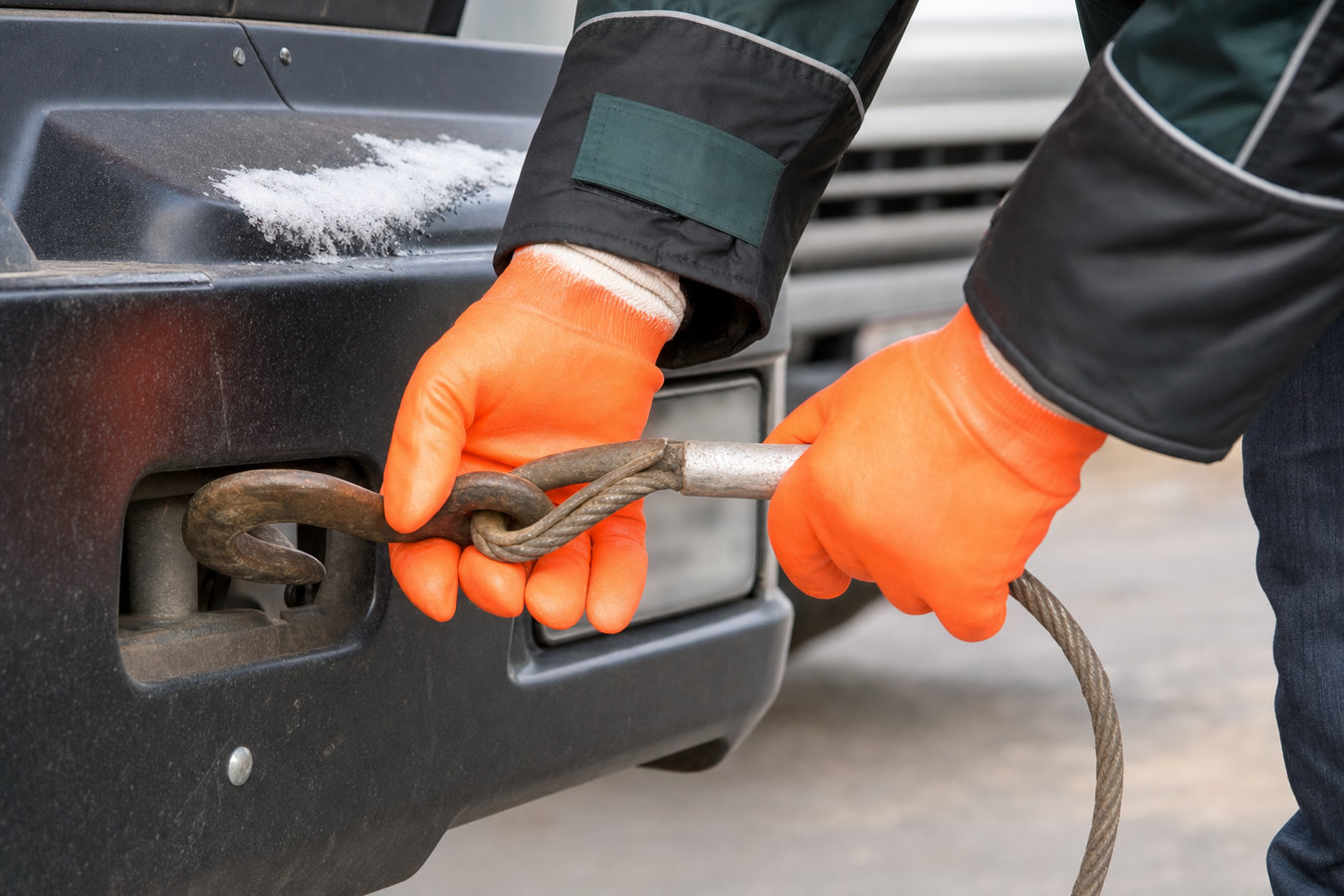
Winch out service in Alamo, CA means a tow truck equipped with a heavy-duty winch cable pulls your stuck vehicle back to solid, drivable ground without towing it away - most jobs on flat or gently sloped terrain are complete in under half an hour once the truck is on scene, and the goal is to have you driving again, not waiting for a flatbed.
A winch out is the right call when your vehicle is stuck but not damaged - off the shoulder, in a ditch, or mired in soft ground - and cannot get out under its own power. Alamo sits at the base of the Diablo Range, where winding hillside roads and winter-saturated soils create exactly these conditions, especially after the East Bay rainy season arrives. If a recovery reveals your vehicle also has damage, the operator can transition to a fleet towing or standard tow from the same scene, so you are not making a second call from the side of the road.
The most important thing to know before calling: do not spin your tires trying to get out. On the soft, clay-heavy soils common on Alamo hillsides and unpaved shoulders, continued tire spinning almost always digs the vehicle in deeper - call right away for the best chance at a quick, clean recovery.
Alamo's hillside streets and the ranch roads climbing into the Diablo Range foothills have narrow shoulders and steep drop-offs. If your vehicle has gone off the edge and is resting on a slope or in a drainage ditch, do not try to drive out - call for a winch out before the vehicle shifts further.
The saturated hillside soils around Alamo after a heavy rain can trap a vehicle that looks like it is on solid ground. If your wheels are spinning and you are sinking rather than moving, stop immediately - continued spinning digs you in deeper and makes the recovery harder and more expensive.
If your car or truck has gone off the shoulder but appears undamaged, a winch out can pull it back to the pavement so you can drive away without needing a full tow. The operator will check the vehicle after recovery to confirm it is safe before you leave.
A stuck vehicle on a narrow Alamo side street or at the edge of a private road can block traffic or access quickly. A winch out is often the fastest way to clear the vehicle and restore access, especially where there is not enough room for a flatbed to maneuver.
Our winch out service handles vehicle recovery from ditches, hillside slopes, soft ground, and off-road positions throughout Alamo and the surrounding San Ramon Valley. The winch line attaches only to frame-designated recovery points - not bumpers or body panels - and the pull is slow and controlled throughout, with the operator watching the vehicle's movement and adjusting if the ground shifts. If you also need roadside assistance after the recovery - a jump start, a tire change, or a fuel delivery - that can often be handled at the same scene, so you leave under your own power rather than waiting for another truck.
For more complex recoveries on steep hillsides or in deep mud, the operator may use a tree saver strap around a nearby anchor, set up a pulley to redirect the pull, or use multiple lines for a more controlled extraction. These methods take longer but protect your vehicle and the surrounding area. The Towing and Recovery Association of America maintains training and certification standards for recovery operators - ask whether your operator is certified when you call.
For vehicles that have rolled off a shoulder or road edge into a drainage ditch or low spot, pulled back to pavement with a controlled winch extraction.
For vehicles that have gone off a winding hill road near the Diablo Range foothills, where the angle and terrain require careful rigging before any pull begins.
For vehicles mired in saturated hillside soil after winter rain, where spinning the tires makes the situation worse - a slow, steady winch pull is the right approach.
For vehicles that have left the travel lanes on I-680 and are positioned on a slope or in a drainage area along the freeway corridor where a standard tow cannot load them.
Alamo sits at the base of the Diablo Range in Contra Costa County, with residential streets and ranch roads that climb into hilly terrain where drop-offs and soft shoulders are common. A vehicle that drifts off one of these narrow, winding roads can end up on a slope or in a drainage channel quickly - and in winter, the saturated clay-heavy soils that are common throughout the East Bay make it easy for a vehicle to sink past the point of driving out on its own. Winch out calls in this area tend to spike after the first heavy rains of the season and again during multi-day storm events, when even roads that look solid can give way without warning. Drivers in Danville and San Ramon face similar terrain conditions on the roads connecting those communities to Alamo.
I-680 runs directly through the San Ramon Valley and is a major commuter and freight corridor. Incidents on the freeway shoulder or on the on- and off-ramps - particularly where grades change - can leave vehicles in positions where a winch is needed before a flatbed can load them. Response time from a local provider matters here because a vehicle on a freeway shoulder draws attention quickly and needs to be moved efficiently. A provider familiar with the I-680 corridor and the hillside roads around Alamo arrives with the right setup, not just the nearest available truck.
The dispatcher will ask where you are, what kind of vehicle you have, and what happened - whether you are in a ditch, on a slope, in mud, or off a paved road. The more detail you can give about the terrain and how far off the road you are, the better the dispatcher can prepare the right truck. They will confirm the rate with you before the truck rolls.
When the operator arrives, they walk the scene before touching your vehicle - looking at the angle and depth of the stuck position, the ground conditions, and where the safest attachment and anchor points are. This assessment is what prevents a rushed pull from causing damage to your vehicle.
The operator attaches the winch line to a solid recovery point on your vehicle's frame - never a bumper or body panel. Depending on the terrain, they may use a tree saver strap, set up a pulley to change the direction of the pull, or use multiple lines for a controlled extraction. The plan is explained to you before starting.
The winch pulls your vehicle slowly and steadily back toward solid ground. Once your vehicle is back on level ground, the operator checks the tires, looks under the vehicle for obvious damage, and confirms the steering responds normally before clearing you to drive. You receive a clear invoice before the truck leaves.
Tell the dispatcher your location and what happened - the rate is confirmed before the truck moves, and we respond to Alamo's hillside roads and the I-680 corridor.
(925) 318-8128When your vehicle is stuck on a winding hillside road or off the shoulder near I-680, every minute matters - traffic builds and the situation can shift. A dispatcher who knows the local terrain gets the right truck to you as quickly as possible rather than treating every call the same.
A professional operator inspects your vehicle before attaching anything, connects only to the manufacturer-designated recovery points on the frame, and uses a slow, controlled pull. Your car, truck, or SUV comes back to the road in the same condition it went off.
After a heavy rain soaks the hillsides around Alamo, a recovery on soft, sloped ground is a different job than a ditch pull on flat pavement. The team has worked these conditions before and knows how to rig for a hillside pull and anchor safely when the ground is soft.
A clear rate is confirmed by dispatch before work begins, with no surprise add-ons when the job is done and an itemized receipt so you can see exactly what you paid for. A member of the Towing and Recovery Association of America, we follow industry standards for professional recovery work.
When your vehicle is stuck on a sloped Alamo hillside or off the shoulder near I-680, the quality of the recovery operator matters as much as the speed. A careful, certified operator with local knowledge gets your vehicle back on the road without new damage - and that is the whole point of the call.
Recovery operators should hold certification through a recognized training program. The California Highway Patrol also oversees towing and recovery operations on state highways, including I-680 through the San Ramon Valley.
Business vehicle down? Fleet towing coordinates fast dispatch, the right equipment, and billing to your account so your driver is not stranded.
Learn MoreOn-the-spot help for dead batteries, flat tires, lockouts, and fuel delivery before a full tow is needed.
Learn MoreWe provide winch out and vehicle recovery service across Alamo and the surrounding communities in Contra Costa County.
Call now for winch out service - rate confirmed before we start, and the truck is dispatched immediately to Alamo's hillside roads, the I-680 corridor, and surrounding areas.